

Treatment Center Marketing: A Plan That Fits the Rules
How to market an addiction treatment center: the six-part plan, which channels your certification status allows, and the compliance rules that shape every decision.

Practical, ethical strategies to market your rehab center, grow organic traffic and convert more qualified patients.

What every platform requires before a treatment center can advertise: LegitScript certification, which countries are eligible, Meta's extra permission step, and what your ads may not say.

How to market an addiction treatment center: the six-part plan, which channels your certification status allows, and the compliance rules that shape every decision.

CARF, Joint Commission, LegitScript, state licensing and NAATP compared. Sourced costs, timelines and what each credential actually unlocks.

CARF accreditation for treatment centers: what it requires, what it costs, how long it takes, and how it compares to The Joint Commission. Sourced to carf.org.

The ASAM Criteria for treatment providers: the six dimensions, the levels of care, what changed in the Fourth Edition, and where to get the official materials.

Behavioral health lead generation for therapists and practice owners: the channels that work, EKRA and LegitScript rules, and how to vet a vendor.

Rehab demand generation vs lead gen, explained for treatment centers: definitions, how they work together, a decision framework, and EKRA and LegitScript pitfalls.

Keywords for mental health, explained for practice owners: the four keyword types, real search volumes, how to evaluate intent, and the compliance traps to avoid.

How much money do rehab centers make? A clear, sourced breakdown of rehab revenue, margins, payer mix, costs, and the economics owners actually control.

Reputation management for rehab centers, explained: how it works, why it matters, the HIPAA and FTC traps to avoid, and how to choose a partner.

Behavioral health marketing strategies for mental health practices and treatment centers. Compare SEO, digital marketing, and HIPAA-safe approaches.

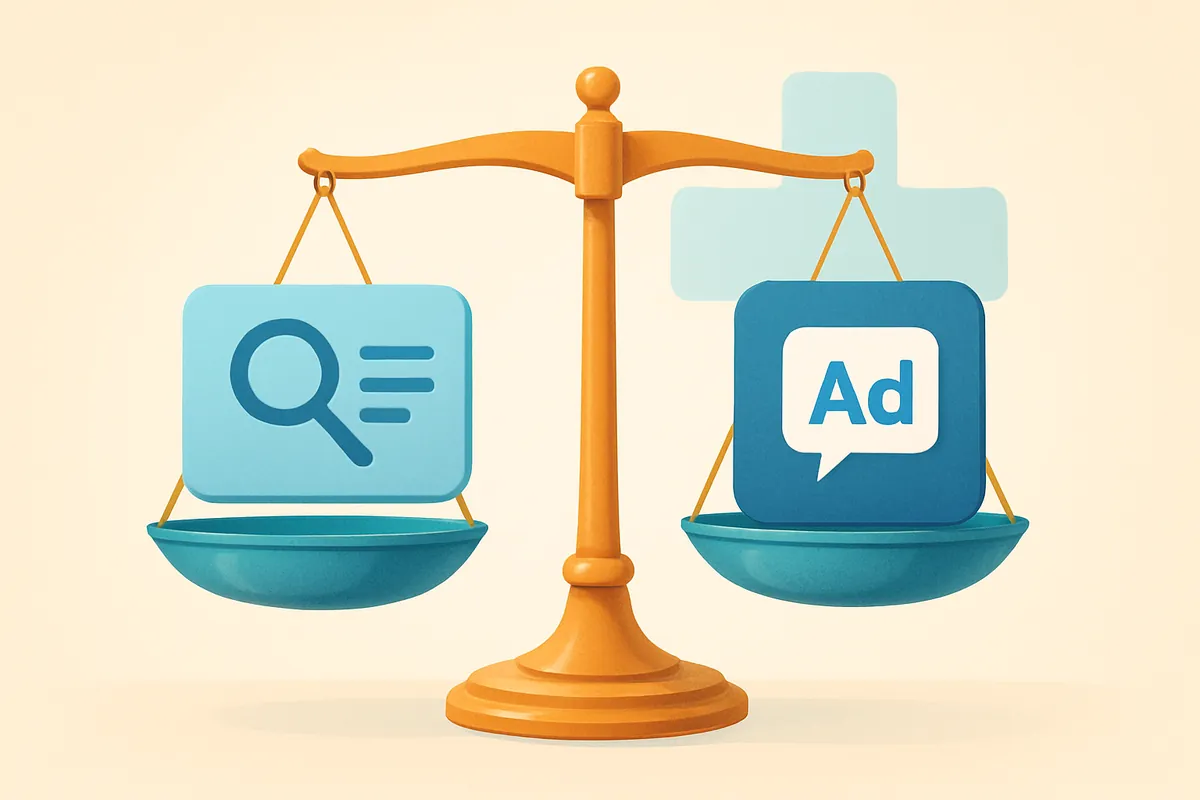
SEO, paid ads and LegitScript certification do different jobs. Here is what each one is, how they fit together, and what your rehab actually needs to get admissions.

The behavioral health industry trends that decide which practices grow in 2026: workforce gaps, telehealth, value-based care, AI search, and consolidation.

Rehab directory listings SEO explained: how citations and NAP consistency lift local rankings, which directories matter, EKRA cautions, and how to evaluate them.

Judge every agency on cost per admission, not cost per lead, keyword rankings, or traffic. Eight questions that separate agencies that fill beds from agencies that fill dashboards, plus the green and red flags to check before you sign.

Therapy website CTA best practices for treatment centers: copy, placement, mobile click-to-call, and HIPAA-aligned tracking that turn visitors into calls.

Behavioral health digital marketing strategies for private practices: SEO, AI search, compliant paid ads, and tracking that protects patient trust.

Therapy services page SEO done right: page structure, schema, internal links, and compliance pitfalls that turn a service page into admissions calls.

Choosing names for rehab centers? Learn the naming approaches, trademark and Google rules, stigma-safe wording, and mistakes that quietly cost admissions.

Nine mental health website design tips for private-practice therapists: calm first impressions, fast mobile pages, accessibility, crisis links, and HIPAA-aware forms.

Learn how to get cited in AI answers from ChatGPT, Perplexity, and Google AI Overviews so your treatment center shows up when families ask AI for help.

Mobile optimization for therapy websites: why mobile-first indexing, Core Web Vitals, tap targets, and HIPAA-aware tracking decide whether searches become admissions.

Counselor referral networking, explained for private practice: how referral pipelines work, the EKRA and ACA ethics rules to know, and how to build one.

A practitioner's 9-step guide to getting clients as a therapist, from niche and directories to local SEO, fast intake, and compliant reviews.

How to reduce patient acquisition cost at a rehab: rebalance channels, fix the intake leak, track cost to admission, and stay EKRA and HIPAA compliant.

Therapist website essentials explained: the pages, compliance, and conversion features a private practice site needs to turn searches into booked consultations.

Therapist directory listings can drive referrals and strengthen local SEO. Learn how they work, which directories to choose, and how to optimize your profile.

Therapist bio writing that converts: structure, voice, stigma-safe language, E-E-A-T, and the compliance mistakes that quietly cost you clients.

Therapist blogging for SEO, explained: how to pick topics, structure posts, stay compliant, and turn clinical expertise into qualified client inquiries.

Rehab target audience research, explained for treatment center owners: how to segment patients and families, source real data, and avoid compliance traps.

A therapist blog strategy that fills a private practice: topic clusters, client-language keywords, local intent, AEO, and the HIPAA and APA limits most guides skip.

A practical Google Business Profile guide for therapists: categories, teletherapy service areas, reviews without breaking confidentiality, and what ranks.

Addiction treatment cost per lead explained: real benchmarks, what drives the price, compliance costs like LegitScript and EKRA, and how to lower it.

How treatment centers build online trust and credibility: the signals families look for, the AI-search shift, and the HIPAA and FTC traps to avoid.

How treatment centers optimize Healthgrades and Yelp profiles for admissions without breaking FTC, HIPAA, or 42 CFR Part 2 rules. A practitioner guide.

Most grants for starting a drug rehab go to nonprofits and states, not for-profit startups. Here is the real funding map, who qualifies, and what to do.

Addiction treatment market size in 2025, why estimates vary, what drives growth, and what the numbers mean for your treatment center's marketing.

Instagram marketing for therapists: a practitioner's guide to content, HIPAA-safe posting, and turning followers into private-practice referrals.

A rehab community referral program builds clinical relationships that send the right clients to your center, without paying per admission. Here is how to do it legally.

The mental health industry trends shaping private practice in 2026: rising demand, telehealth, directories, measurement-based care, AI, and how patients search.

Why your therapy practice isn't showing up in Google search results, and how to fix it: the map pack, Google Business Profile, specialty pages, YMYL trust, and tech.

Why behavioral health SEO is different: YMYL scrutiny, SEO strategies for health practices, local search visibility, LegitScript and EKRA compliance, and clinical trust signals.

Marketing strategies for therapists in private practice: choose the right channel based on timeline, budget, niche, and locality to fill your caseload.

What makes a good therapist website: pages, first impression trust, conversion mechanics for your therapy practice, privacy layer, and accessibility to turn potential new clients into booked sessions.

Social media rules for therapists explained: what you can and cannot post under HIPAA, APA ethics, and FTC guidance, plus safe content ideas and paid-ad limits.


A practical rehab marketing compliance guide covering HIPAA-aligned tracking, the FTC, EKRA and patient brokering, and LegitScript certification for ads.


What it costs to acquire a psychiatry patient by channel, why benchmarks mislead, and how to budget against cost per patient instead of cost per lead. 2026 data.

A complete guide to mental health practice marketing: SEO, website, ads, social, reputation, referrals, and the HIPAA and FTC rules that govern all of them.

A plain-language guide to mental health marketing compliance: HIPAA compliance obligations, patient data privacy, patient acquisition rules, FTC, LegitScript, and EKRA.

Local SEO for multiple clinic locations using the hub-and-spoke model: location pages, Google Business Profiles, NAP consistency, reviews, and per-site reporting.

A clear guide to the LegitScript certification process for rehabs: who qualifies, 2026 fees, the 16 standards, timeline, and why applications get denied.



Is social media HIPAA compliant for mental health organizations? What HIPAA restricts, how to post safely, the pixel risk, and how to measure results without leaking PHI.


How to grow a teletherapy practice across multiple states: match your license map, rank without a local office, and stay HIPAA, EKRA, and LegitScript aligned.

The growth levers that scale a private therapy practice past a full caseload: pricing, reducing channel dependence, retention, adding capacity, and measurement.

A step-by-step guide for therapists to get more clients from Google: keywords for your therapy practice, specialty pages, Google Business Profile, E-E-A-T, and the compliance line.

A deep dive on the referral channel for counselors: who refers, how to build relationships, the anti-kickback rule, making referrals easy, and the ethics line.

How to get clients for an online counseling practice: directories, local search, content, and compliant paid ads to fill a virtual caseload, with HIPAA and FTC notes.

A six-step framework to build a marketing plan for your therapy practice: set a caseload goal, define your client, budget, pick channels, roll out, and measure.

How to choose a therapist website for your private practice: DIY builder, generalist agency, or specialist. Seven criteria, compliance questions, and how to customize for clinical intake.

How to choose a CRM for a treatment center: comparing Kipu, Sunwave, Dazos, Salesforce and HubSpot, what integration means, and the criteria that matter.

How paid social advertising works for rehab centers: the Meta and LegitScript certification gate, restricted health targeting, and HIPAA-aligned tracking explained.

How much Google Ads cost for therapists: real cost per click and per lead benchmarks, how to budget a test, and the HIPAA-aligned tracking rules that apply.

How Google Ads work for rehab centers: the LegitScript certification gate, Google approval, EKRA and HIPAA-aligned tracking, and the rules that keep accounts live.
How call tracking and marketing attribution work for treatment centers: dynamic numbers, UTM tagging, attribution models, and privacy-conscious setup.

Google Ads vs Facebook ads for therapists: how the channels compare on intent, cost, and compliance, and which to fund first to fill your caseload.


Are rehab centers profitable? No authoritative public margin dataset exists. Learn the six levers (occupancy, payer mix, admissions efficiency) that decide the numbers.

In the digital age, where information is both abundant and accessible, the importance of Search Engine Optimization (SEO) in connecting individuals with vital services cannot be overstated, particularly in industries as critical as addiction treatment and rehabilitation.

In today's fast-paced digital world, every second is crucial when users visit your rehab's mobile site. A minor delay can result in potential clients leaving, which is why at Addiction Marketing, we emphasize the importance of an optimized mobile experience.

In today's digital era, content marketing emerges as a pivotal strategy for rehab centers aiming to reach and engage their target audience effectively. It plays a significant role not just in disseminating valuable information but also in building trust, authority, and a sense of community.

In today's digital age, where over 70% of adults in the United States search online for health-related information, including rehabilitation services, the potential to reach and impact a vast audience with your rehab content is immense.

Navigating the digital seas of local rehab searches can be challenging, but with the right strategies and tools, your rehab center can shine like a beacon, guiding potential clients to your services.

Did you know that over 70% of potential clients first interact with rehab centers through their online landing pages? This statistic highlights the crucial role your website's landing page plays in converting visitors into clients.

Have you ever wondered why some rehab centers seem to dominate search engine results, effortlessly attracting clients? It's not just about the quality of their services; it's also about their mastery of a vital SEO strategy: building backlinks.

In an increasingly digital world, rehab centers face the challenge of standing out in a crowded market. Effective online marketing is not just beneficial; it's essential for reaching individuals in need of addiction treatment services. This introduction sets the stage for a deep dive into advanced digital marketing strategies tailored for the addiction treatment industry.

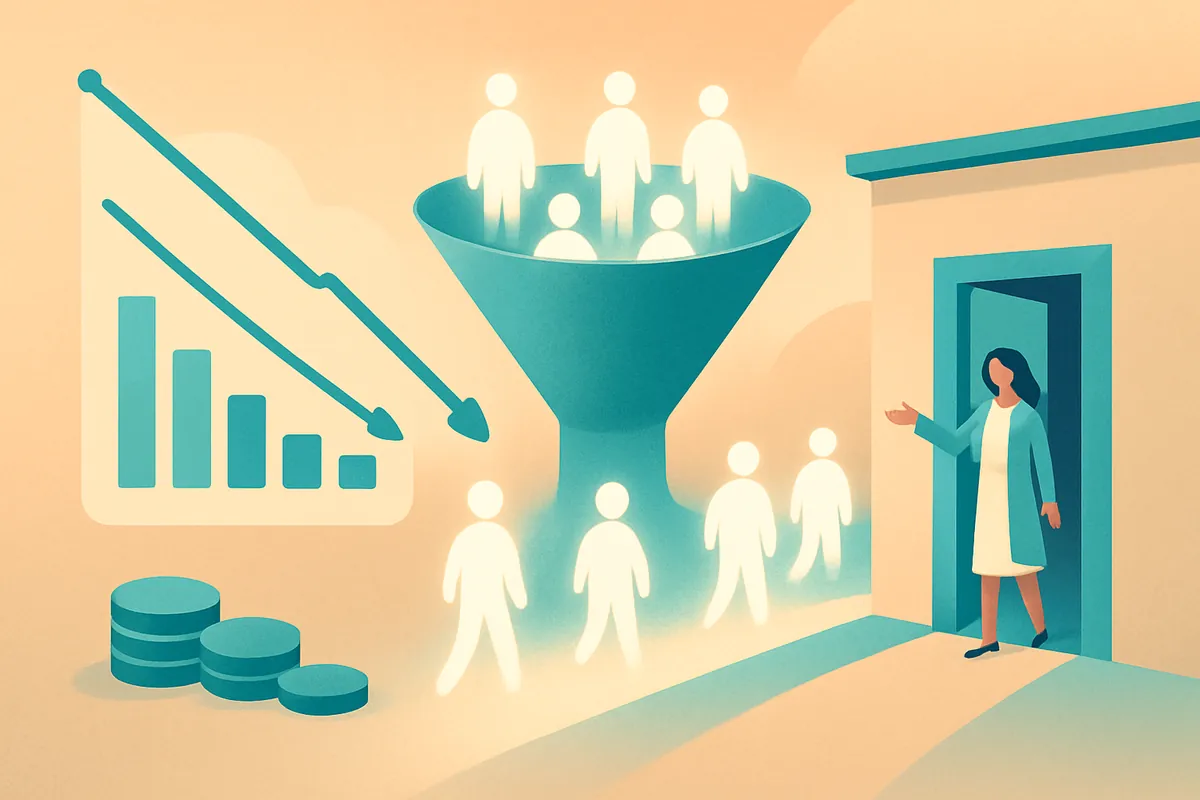
When your once-thriving rehabilitation center begins to experience a steady decline in admission rates, it's a clear sign that your drug rehab marketing strategy might need an overhaul.

Navigating the marketing landscape for rehab centers is like charting a course through uncharted waters; it requires precision, adaptability, and an understanding of the unique challenges at play.

As the need for addiction treatment continues to grow, many individuals and organizations are motivated to start a treatment center. This increasing demand highlights a critical opportunity to provide essential services to those in need.
Get a free rehab SEO audit and a clear plan to grow admissions.
Get a free audit →